• One of the biggest things I learned this semester is that digital marketing is really just relationship building. I always knew marketing had a lot to do with communication and making things appealing, but I never realized how much the little interactions between a brand and a consumer add up over time. Instead of thinking about someone becoming a customer in one quick step, this class helped me see that people want to feel understood first. When brands take the time to really connect with their audience, the relationship becomes so much stronger. That is what makes someone choose one brand over another that looks similar. I liked learning that marketing is not only about selling something, it is about building trust.

    I also noticed how much this matters in my own life. Whenever I love a brand, it is usually because it feels like they get me. That can be a brand’s TikTok that makes me laugh or content that feels relatable and personal. I realized how much those moments influence what I buy. When we talked about the modern customer journey, it made sense that people do a lot of their decision making before ever landing on a brand’s website. Most of that is relationship based. It is someone saying, I trust them already or I want to be a part of their community.

    This showed up a lot in my internship with Tampa Bay Boating Adventures. When we made TikToks, the goal was not just to show boats. We wanted to show experiences and make viewers feel like they could be part of the fun. I loved thinking about how our content might be the moment that makes someone excited to book an adventure. That is what makes digital marketing fun. You are building a relationship even if you have never met the person. It is the same reason I want to work in beauty or fashion marketing. People buy into brands that make them feel good and seen. Beauty especially is such a personal category because it connects to confidence and identity, so those relationships matter even more.

    Our guest speaker from BloomPartners made this idea feel even more real. When he said that a lot of marketing agencies fail because they do not actually know their clients, that stood out to me. He talked about how marketing is still a popularity contest in a way. People want to work with people they like and people who make their lives easier. It reminded me that success is not just about being creative. It is also about being someone others are excited to collaborate with and trust. He also mentioned that communication and being able to actually get things done are what will help us stand out, especially now that anyone can ask AI to create something. That made me think more about how being relationship oriented is not just helpful with consumers, it matters in the workplace too.

    Now that this class is ending, I feel more confident about my future in marketing because I understand the bigger picture. I want to keep improving my communication skills and learning how to create content that builds real connections. This class taught me that relationships are what keep brands growing and that makes me even more excited to be part of the industry.
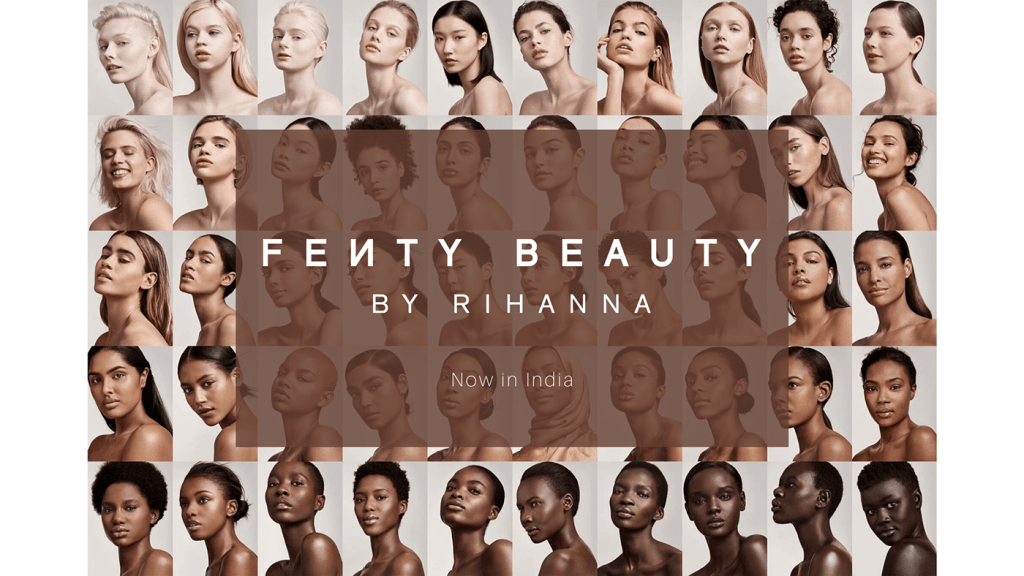
  • Fenty Beauty’s ongoing shade expansion campaign is one of the most meaningful beauty campaigns of the past two years, especially because it puts representation at the center of every decision. The brand already made history when it launched with forty foundation shades, but this campaign added even more options to help everyone feel included and excited about shopping for makeup. The goal of the campaign is to make beauty accessible to all skin tones and undertones while strengthening the brand’s identity as a leader in inclusivity. The target audience is mostly Gen Z and Millennial beauty lovers who care about diversity and use social platforms to guide their purchasing decisions. Because this audience loves creators and authentic content, Fenty Beauty focuses heavily on TikTok, Instagram, and YouTube for awareness and storytelling.

    The campaign used a strong mix of digital strategies to build awareness and drive actual sales. Social media was the main driver, especially TikTok tutorials and Get Ready With Me videos where creators with different skin tones showed how well their shade matched. This helped people picture themselves using the product before even trying it. They also used paid advertising across platforms like Meta and TikTok to reach new users online who maybe did not follow the brand yet but had shown interest in beauty content. Many of the videos used quick comparisons and real skin texture to boost trust and reduce hesitation for first time buyers.

    Conversion rate optimization also played a huge role. On the website, the Shade Finder quiz makes the shopping experience feel more personal and almost like having a makeup artist help you pick. The brand also improved its SEO by ranking well for searches like best foundation for oily skin and inclusive shade range which brings in new shoppers who are actively searching for solutions. The brand uses retargeting ads to remind shoppers of products they looked at or added to their cart. This helps guide them back if they were unsure the first time. Their loyalty program is another tool that nurtures leads by rewarding returning customers with points which keeps the excitement going.

    Overall, the campaign connects well with what we have learned in class about awareness, interest and conversion. I think the strongest part of this campaign is how real it feels. Seeing a huge range of real people wearing the foundation builds trust way more than a traditional beauty ad that only shows one skin tone or one look. The buzz on TikTok also helped the brand stay top of mind because people love sharing when they finally find a perfect shade match. I think the only real improvement would be adding even more AR try on technology since people shopping online sometimes worry that a shade will still look different in person. It would also be helpful to include more long form educational content on their website for makeup beginners who may feel overwhelmed with so many choices. Still the positives definitely outweigh any weaknesses and the results show that inclusivity drives loyalty and purchase intent.

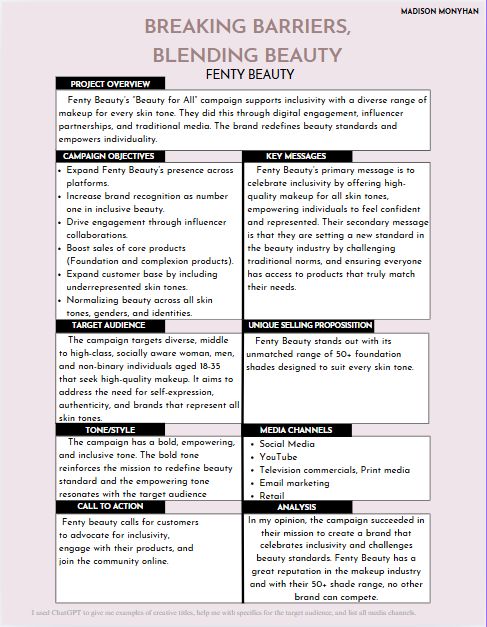
    This campaign deepened my understanding of digital media and advertising because it proves that strategy and creativity have to work together to get real results. I liked seeing how UX and CRO were just as important as the creative content itself. When brands remove friction and speak directly to what people care about they build true community. That is something I want to carry into my future as a marketer especially in the beauty industry. Representation is not only the right thing to do it is also something people genuinely want from the brands they support. I also created a creative brief for this campaign in one of my other classes that I wanted to share.

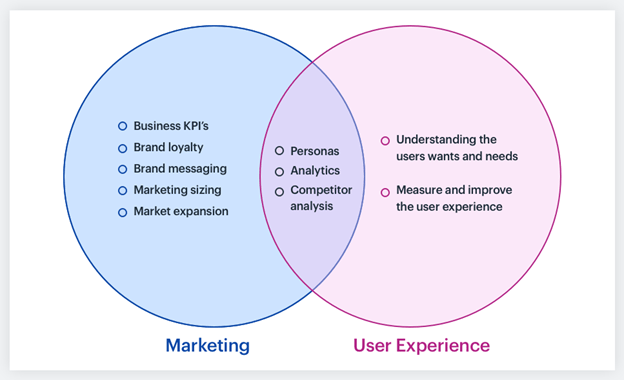
  • Listening to Chris Morata talk about UX design really opened my eyes to how much UX overlaps with the work I already do in marketing and content creation. I always thought of UX as something designers worry about, but the way he explained it made it feel so connected to strategy, brand identity, and the overall customer journey. Two ideas stuck with me the most. The first was how UX principles directly support marketing and business goals. The second was how AI fits into the creative process as a co-pilot instead of something that replaces human work. Both of these ideas made everything click for me in a new way.

    Key Takeaways

    One of the things that stood out to me was Chris’s point about UX being more than visuals or layout. UX is what helps a business guide people toward the outcome they want. That could be a purchase, a sign-up, or even just understanding what a brand does. When he said that good UX builds trust, it made so much sense. If a user can move easily through a site or an app, they are naturally more likely to take action. As someone who works in social media and marketing, this connected directly to things like conversions, bounce rates, and engagement. A smooth experience is basically free credibility for the brand.

    I also liked how Chris talked about AI becoming part of the design process. He explained that AI tools can handle the repetitive tasks, like generating quick layouts or helping with research, so designers have more time for creative thinking. Hearing him describe AI as a co-pilot felt really reassuring because I use AI a lot in my own work. It was nice to see it framed as a tool that supports creativity instead of competing with it.

    UX Is Everywhere

    The more he talked, the more I realized that UX is already part of my everyday life without me trying. In our DeckiStore project, for example, we focused heavily on how someone would browse categories, view products, or even understand where things were located on the site. The card sorting exercise made me think about how people naturally group information in their heads. Even scheduling posts at my internship uses UX thinking because I have to consider how users interact with content and what makes them click or swipe away. The digital world is basically one huge UX experience.

    Seeing UX through this lens made me rethink the way I approach content. Every decision, from colors to captions to navigation, is part of a user’s experience. It honestly made me more intentional about the small details I normally overlook.

    Career Application

    What I learned from Chris is something I know I will carry into my career. Whether I end up working in beauty marketing, brand strategy, content creation, or social media management, UX is something I will use constantly. Understanding user behavior and making digital experiences feel natural gives me an advantage in any marketing role. It helps me think beyond just posting something pretty and instead consider how a user will move through an entire journey with a brand.

    AI was another piece that made me think about my future. Knowing how to use AI tools well will make my work faster and more creative. It pushes me to focus on strategy, storytelling, and human insight, which are the things that actually matter. UX skills combined with AI skills feel like a powerful combo for anyone entering the workforce right now.

    Overall, Chris’s talk helped me see UX as something that is woven into everything we do as marketers. It shapes how people experience brands, make decisions, and feel connected to what they are interacting with. Understanding that now makes me feel more prepared and confident as I take the next steps into my career.

  • This guest lecture felt more like a behind the scenes look at the reality of modern marketing than a typical class session. The speaker is the CEO and founder of BloomPartners.io, a four time published author, a graduate of the University of California Santa Barbara, and a Stevie Award winner for one of the most innovative minority owned companies. With his background in running an agency and navigating constant shifts in the economy, he broke down the marketing landscape in a way that was practical, honest, and centered on what new graduates actually need to know before entering the industry.

    One of the first things he said was that we are in a recession, and that completely shapes the way businesses spend money. Tariffs and inflation have a ripple effect on the marketing world, and companies can no longer postpone price increases. That also means marketing is usually the first budget to get cut, which makes ad costs and cost per lead go up. It made me realize that working in this industry means understanding the pressure clients are under. A huge takeaway for me was that the purpose of a marketing agency is simple. You exist to make your clients more money. That might sound obvious, but hearing it put that plainly made it feel more real.

    Another major point he made was how important data is. If you want to work in marketing today, you have to be comfortable with analytics. ROI is not just a metric, it is a language you need to speak. He talked about understanding things like cost of goods sold, net margin, and other business terms because you cannot deliver value if you do not understand the financial side of what your client is dealing with. This hit home for me because as someone going into PR and advertising, I know the creative side comes naturally. It is the business side I want to master more, and this lecture made it clear how much it matters.

    My favorite part of the lecture was when he talked about AI and the future of work. He said if you can be replaced by a prompt, you will be replaced by a prompt. It sounded dramatic at first, but he explained it in a way that made total sense. AI tools like Make.com, Zapier, and Loveable are changing how agencies operate. Instead of ignoring AI, he encouraged us to learn the tools now so we are ahead of the curve. Money does not disappear, it just changes hands. The people who understand AI will be the ones holding it. Since I already work in social media, I could immediately see how this applies. Automation can help with reporting, scheduling, and generating ideas, but you still need real strategy behind everything. This is where human creativity and relationship building matter.

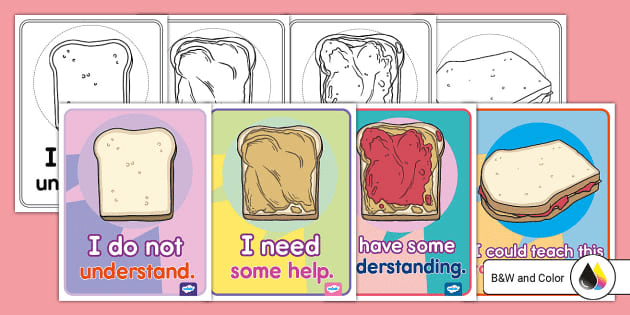
    He also talked about soft skills in a way that stuck with me. He said the business world is a popularity contest and that you should be somebody people genuinely want to be around. Communication, being detail oriented, and actually getting things done are what sets you apart. He even mentioned the peanut butter and jelly marketing test to see how people think and articulate instructions, which honestly made me laugh but also made sense. Clear communication is everything in marketing.

    Toward the end, he gave a few resume and career tips. The biggest one was to adjust your resume for each job because hiring managers can tell when it is generic. He also said yes, you should work for an agency before opening your own, which I appreciated because it felt honest and not sugar coated.

    Overall, this guest lecture gave me a clearer picture of what it takes to thrive in this industry. It helped me understand the kind of mindset and skills I need to build now, especially in areas like analytics, communication, and AI tools. More than anything, it gave me a more realistic understanding of the marketing world I will be entering after graduation.

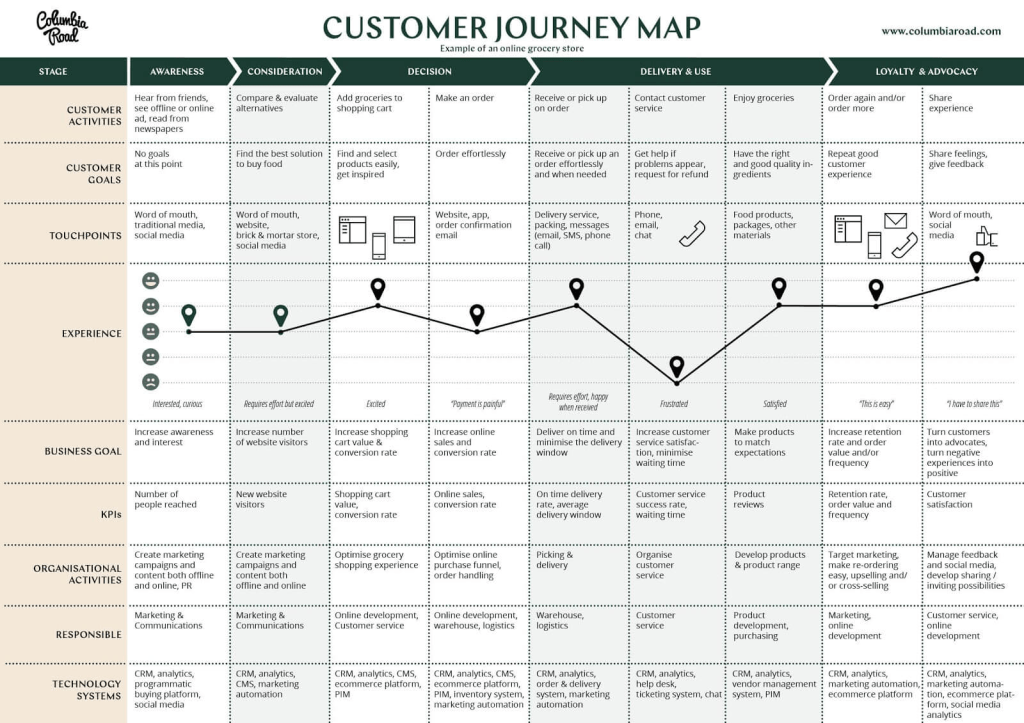
  • The way people make buying decisions has completely transformed in the digital era. The traditional sales funnel, with stages like awareness, consideration, and purchase, used to be a pretty straightforward path. Brands controlled the message through TV, print, or radio, and customers made choices based on limited information. But today’s customer journey looks more like a tangled web than a funnel. Between social media, influencer marketing, online reviews, and endless content, customers jump in and out of stages at their own pace, often making decisions before a brand even realizes they’re considering a purchase.

    In the past, marketing was linear. A customer saw an ad, maybe got interested, and eventually made a purchase. Now, the journey is fragmented across multiple digital touchpoints. A customer might first discover a brand on TikTok, look it up on Google, read reviews, compare prices on Amazon, and then finally purchase through Instagram Shopping. The path isn’t predictable anymore. It’s multidirectional, always-on, and constantly influenced by peers and digital experiences. This change means marketers can’t rely on pushing people down a single funnel. Instead, they need to meet audiences where they already are, whether they are scrolling through feeds, watching YouTube videos, or checking email promotions. The modern journey is about connection and trust, not just awareness and conversion.

    One of the biggest shifts in this new model is the Zero Moment of Truth (ZMOT), which is the point when a consumer researches a product before making a decision. Google first introduced this concept to describe how shoppers utilize search engines, social media, and reviews to inform their purchasing decisions. According to Google, over 70% of consumers research online before making a purchase. If someone wants a new skincare product, they’re probably not walking straight into Ulta to browse. Instead, they’re watching TikTok reviews, searching “best products for acne-prone skin,” or looking up before-and-after results on Pinterest. By the time they reach the shelf or online cart, their mind is already made up. The purchase doesn’t start at the store anymore. It starts with curiosity and online influence.

    Because this new journey is so digital, success metrics have evolved too. Instead of only tracking conversions or sales, marketers now look at engagement, click-through rates, sentiment analysis, and repeat interactions. Awareness can be measured through impressions or reach, while the consideration stage might rely on website traffic and time spent on site. Loyalty and advocacy can be tracked through reviews, shares, and repeat purchases. These metrics help brands understand not just who buys, but why and when.

    To succeed in this new landscape, brands need to focus on creating consistent and personalized experiences across every digital channel. This could mean optimizing SEO (search engine optimization) so they appear during the ZMOT, partnering with influencers who create authentic content, or investing in social listening to track customer sentiment in real time. The brands that win are the ones that show up at the right moments with value, authenticity, and transparency. The customer journey is no longer something marketers can control from start to finish. It’s something they have to navigate with their audience.

  • In 2025, good client research goes way beyond a quick Google search or scanning a brand’s Instagram. To truly understand a client, you have to dig into their industry, their audience, and the cultural shifts shaping their space. Using The Deck Store as an example, a company that designs and sells outdoor decking materials and accessories, here’s how I would approach client research step by step to make sure every insight actually helps build a stronger campaign.

    Before anything else, I’d look at who The Deck Store is. What’s their brand voice? What do they stand for? I’d explore their website, social media, and customer reviews to get a sense of how they talk about themselves and how customers talk about them. Understanding their tone, whether it’s more luxury outdoor living or approachable DIY, is key to keeping all creative work aligned. I’d also look at their brand values: are they sustainability-focused, locally sourced, or emphasizing long-term durability? These details frame every other part of the research process.

    Next, I’d zoom out to the bigger picture. What’s happening in home improvement and outdoor living in 2025? After the pandemic, people started investing more in their homes, and that trend hasn’t slowed down. I’d research how inflation, housing market shifts, and consumer spending habits are affecting the demand for outdoor upgrades. Tools like Statista, IBISWorld, and Google Trends can show whether interest in “deck renovation” or “outdoor kitchens” is rising or falling. This gives insight into the economic and cultural climate that The Deck Store operates in and what motivates people to buy.

    Then, I’d look closely at who’s competing for the same audience. Home Depot, Lowe’s, and Trex might dominate the national scene, but local competitors are just as important. I’d compare everything from pricing to aesthetics to social media strategy. For example, does a competitor emphasize eco-friendly composite decking or fast installation? Does The Deck Store’s website feel more personal or outdated in comparison? A competitive audit helps reveal gaps and opportunities for differentiation. Maybe The Deck Store could stand out through storytelling, educational content, or personalized consultations.

    Every client has a target audience, but in 2025, it’s crucial to go deeper than basic demographics. Using tools like Meta Audience Insights or Google Analytics, I’d explore their audience’s behaviors, interests, and purchasing motivations. Are they homeowners in their 30s upgrading starter homes, or retirees investing in comfort? What content do they interact with most: before-and-after videos, how-to guides, or design inspiration? Real audience insights can transform generic marketing into tailored communication that resonates

    Lastly, I’d keep up with trends that influence both marketing and the industry while also monitoring social and cultural trends, like how consumers are prioritizing outdoor experiences and environmental responsibility. Staying ahead of these shifts ensures campaigns feel current. Good client research in 2025 isn’t just about collecting data; it’s about connecting dots between culture, commerce, and creativity. For The Deck Store, that means blending analytics with empathy, strategy with storytelling, and numbers with narrative to build a brand that feels as solid and lasting as the decks they design.

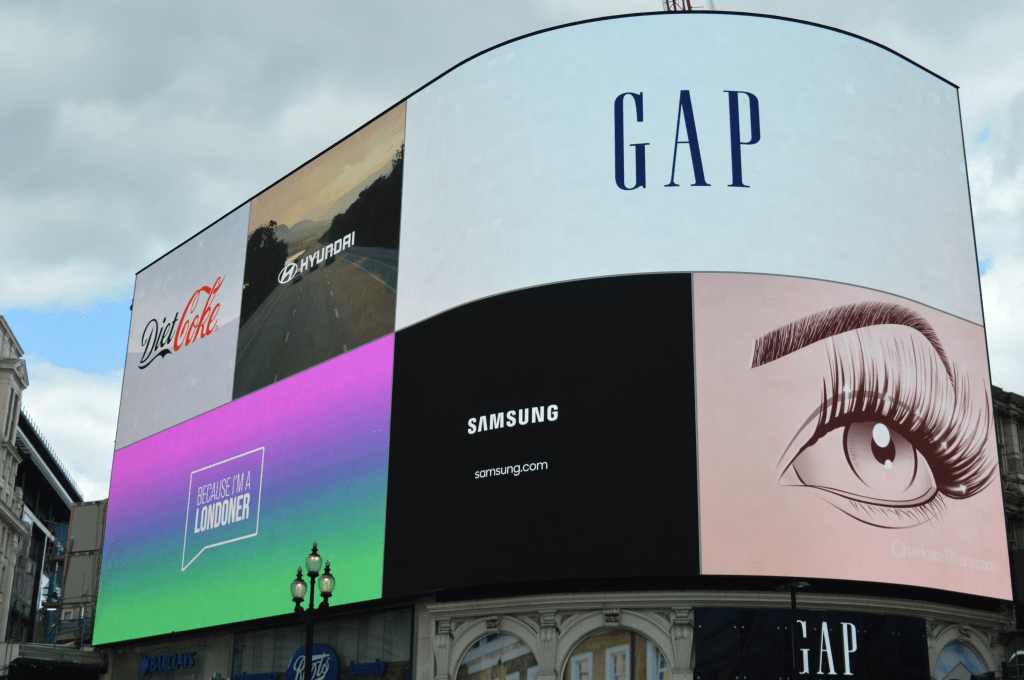
  • During the Bake More Pies guest lecture, I got a better look at what digital media buying really means in the world of modern advertising. I already knew about social media marketing from experience, but this lecture went beyond the surface, diving into how paid media, strategy, and data all come together to reach people in smarter ways. It showed me that successful campaigns aren’t just about having good content; they’re about using the right mix of tools and platforms to get that content in front of the right audience.

    One of the main topics that stood out was PPC and SEM. I’ve learned about search engine marketing before, but hearing it explained by someone who actually works in it made it feel more real. PPC, or pay-per-click, campaigns rely on understanding user intent, knowing what people are searching for and how to position a brand at the top of those results. It’s not just about keywords, but also about crafting ad copy that grabs attention and connects emotionally. This tied back to something else they emphasized, how brand voice and SEO go hand in hand. It’s not enough to show up in search results; the tone and message have to align with the brand’s identity so that when someone clicks, it feels genuine and trustworthy.

    The lecture also covered geo-fencing and geo-targeting, which I found super interesting. I didn’t realize how specific brands can get with location-based ads. For example, if a business wants to reach homeowners within a certain radius of a store or event, they can create ads that appear only to people in that area. It’s such a smart way to make marketing feel more personal, especially for local businesses or seasonal campaigns.

    Another big takeaway for me was the importance of retargeting. They described it as one of the most effective digital strategies because it focuses on people who already showed interest. Instead of chasing new audiences, retargeting reminds potential customers about products or services they’ve already looked at, kind of like a digital “nudge.” It made me realize how much psychology plays into marketing, since people often just need that small reminder to convert.

    We also talked about CRM systems like HubSpot, Klaviyo, Salesforce, and Pipedrive. I’ve heard of them before, but this helped me understand how these tools connect marketing, sales, and customer relationships. CRM data helps companies organize leads, personalize emails, and track how people interact with their brand. It’s what makes the entire marketing process more organized and data-driven instead of guessing what works.

    Something I appreciated was how they tied it all back to the creative side, especially the content calendar. They explained how planning out video strategy, email marketing, blog content, and even direct mail campaigns keeps everything consistent. It’s about aligning creative ideas with measurable goals. I liked that they also mentioned using a funnel approach, like designing different types of questions or content for people depending on where they are in their buying journey. It’s strategic but still creative, which is the balance I’ve always been drawn to in marketing.

    At the end, they shared a few resources to follow for continued learning, like Think with Google, AdAge, The Wall Street Journal, and Harvard Business Review. I thought that was such a good reminder that staying curious is part of being successful in this industry. Marketing moves fast, and keeping up with what’s new, whether that’s algorithm updates or new ad formats, makes a big difference.

    Overall, the Bake More Pies lecture made digital marketing feel more multidimensional. It’s not just about running ads or posting on social media; it’s about understanding people, using data intentionally, and creating a consistent message that actually connects. It reminded me that strategy and creativity don’t compete, they work together to make campaigns more effective and meaningful.

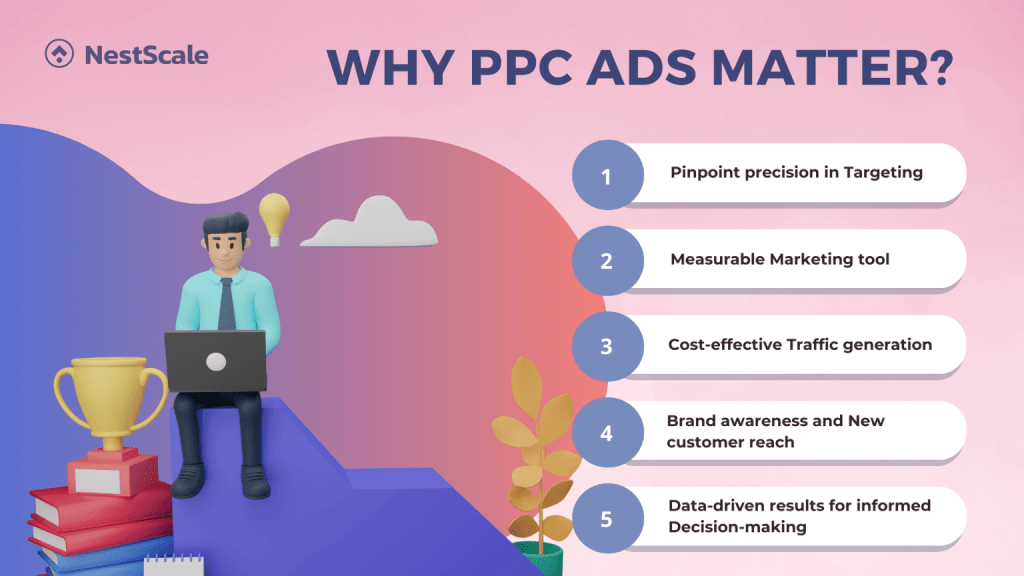
  • During this week’s guest lecture, we heard from someone who has been running paid search and social ads for over eight years. I didn’t realize how much goes into paid media until hearing about the day-to-day responsibilities, from analyzing data and writing ad copy to constantly testing campaigns and adjusting to platform updates. It gave me a better understanding of what it’s actually like to work in paid media and how important PPC is to the success of any digital campaign.

    One of the biggest takeaways was that good PPC can completely transform a brand’s performance. When done right, it helps advertisers reach the right audience at the right time with the right message. It’s not just about getting clicks; it’s about getting meaningful results that lead to conversions. A strong PPC campaign can raise brand awareness, drive traffic to a website, and even help small businesses compete with larger brands. But it all depends on how well you understand your data, how strong your ad copy is, and how effectively you can test and optimize campaigns over time.

    We also talked about how unpredictable the platforms can be. Algorithms and ad policies are always changing, so paid media marketers have to be flexible and willing to adapt. There are times when campaigns just don’t work, whether it’s because the keywords aren’t relevant enough, the client’s budget is too small for consistent visibility, or the landing page doesn’t convert well. Those are all challenges that can make the job stressful. But when you finally figure out what works and your clients start seeing results, it’s incredibly rewarding.

    A few key PPC principles really stood out to me:

    • Relevance is everything. The success of an ad depends on how relevant your keywords and copy are to what users are actually searching for. If your keywords don’t align with user intent, you’re paying for clicks that won’t convert.
    • Testing never stops. Paid media isn’t something you “set and forget.” You have to constantly test ad variations, landing pages, and targeting strategies to see what performs best.
    • Data tells the story. From conversion rates to click-through rates, analyzing performance metrics helps marketers make smarter decisions instead of guessing what’s working.
    • Good copywriting makes the difference. Even with great targeting, if your ad copy doesn’t grab attention or speak to your audience’s needs, it won’t perform.

    Our guest also shared nine essential skills every paid media marketer needs, and I found those especially useful. Copywriting and consumer psychology stood out to me because they show that advertising isn’t just about numbers, it’s about understanding people. Data analysis and conversion tracking are also crucial because you can’t optimize what you can’t measure. Curiosity and a willingness to test tie everything together, because if you’re not experimenting, you’re not growing.

    Ultimately, PPC is important because it gives advertisers control. You can choose who sees your ads, when they see them, and how much you’re willing to spend to reach them. Unlike traditional advertising, PPC provides real-time feedback where you can immediately see what’s working and make adjustments to improve results. That’s what makes it such a powerful tool for building successful campaigns.

    This lecture helped me realize that paid media combines creativity and analytics. It’s not just about writing catchy ads or crunching numbers, it’s about balancing both to create campaigns that truly connect with people. I came away with a deeper appreciation for how strategic PPC can be and how much impact a skilled paid media marketer can have on a brand’s success.

  • Web Analytics Tools for Website Optimisation | BestSEO4u

    Digital advertising today is all about knowing your audience. You can have the most beautiful ad creative or clever campaign idea, but if you don’t understand how people are actually interacting with your content, you are basically guessing. That is where web analytics come in and why advertisers cannot afford to overlook them. After finishing my GA4 Google Analytics certification, I realized how powerful these tools really are. Web analytics takes the guesswork out of advertising and gives you real data on what is working, what is not, and what you should do next.

    One of the first things analytics does is give you a clear picture of your audience. Instead of assuming who is clicking your ads or visiting your site, you can see demographics, interests, and even the devices they are using. When you know who is engaging with your content, you can refine your targeting, adjust your messaging, and make sure you are reaching the right people instead of wasting your budget. Analytics also show you exactly how your campaigns are performing. In GA4, everything is broken down into events, so you can track actions like clicks, purchases, or sign-ups in a detailed way. Advertisers need this level of tracking to know which ads are converting and which ones are just taking up space. Without analytics, it is impossible to know if the money you are spending is actually driving results.

    Web analytics give you proof. You can show exactly how much revenue came from a certain ad, how many new customers you gained, or how much engagement increased. This is not only helpful for reporting to clients or managers, it also gives advertisers confidence in their own strategies. With digital spaces becoming more crowded and competitive, advertisers cannot rely on intuition alone. Everyone is fighting for attention, and the campaigns that succeed are backed by insights, not assumptions. Tools like GA4 make it possible to understand the customer journey from the first impression to the final purchase. That is powerful, and it is what sets smart advertisers apart.

    Earning my GA4 certification showed me how much strategy depends on data. Web analytics are not just nice to have, they are the foundation of modern advertising. They help advertisers connect with the right audience, measure success, and continually improve their approach. Without them, advertising feels like throwing darts in the dark. With them, it becomes an informed and intentional process that leads to better results for both brands and audiences.

  • Breakthrough Advertising, written by Eugene Schwartz in 1966, is one of the most influential books in marketing and copywriting. One of the main ideas in the book is the “level of awareness,” which explains how familiar a customer is with a product or problem before they make a decision. The question today is whether these concepts are still relevant in a digital world that looks nothing like the advertising industry of the 1960s.

    The concept of levels of awareness remains applicable because every customer begins at a different stage in the buying journey. Some people do not even realize they have a problem yet, while others are actively comparing products and ready to purchase. Although technology has evolved, the psychology behind buying decisions remains largely unchanged. Knowing how aware your audience is can help businesses create content that feels like it is speaking directly to them.

    What has changed is how quickly people move through these levels. In Schwartz’s time, advertising was slower, with people seeing ads in newspapers, magazines, or TV. Now, with social media, search engines, and influencer marketing, people are exposed to multiple products and messages in seconds. A consumer can go from being unaware of a product to ready to purchase within a single TikTok video. This speed makes the levels of awareness even more important, because companies have to grab attention and connect faster than ever.

    Another reason the concept is still relevant is the amount of competition online. Audiences are constantly bombarded with ads and content. If a brand does not understand where its customer is in the awareness journey, its message can easily get lost. For example, an ad that assumes a customer is ready to buy may fall flat if the customer has never even heard of the brand. On the other hand, educating someone who is already familiar with your product can feel repetitive. Matching content to awareness levels helps avoid these problems.

    At the same time, there are new factors in today’s digital world that Schwartz did not have to consider. Algorithms and data tracking allow companies to target specific people with highly personalized ads. Influencers also play a huge role in shaping awareness, which did not exist in the same way decades ago. These tools make it easier to meet audiences where they are, but they also raise questions about ethics, privacy, and trust.

    Overall, I think Breakthrough Advertising and the concept of levels of awareness are still extremely relevant today, maybe even more than when the book was first written. The platforms and strategies have changed, but the foundation of understanding people and their journey toward making a decision has stayed the same. In the digital age, where attention spans are shorter and competition is greater, knowing your audience’s awareness level is one of the best ways to stand out.

Is this your new site? Log in to activate admin features and dismiss this message
Log In