During this week’s guest lecture, we heard from someone who has been running paid search and social ads for over eight years. I didn’t realize how much goes into paid media until hearing about the day-to-day responsibilities, from analyzing data and writing ad copy to constantly testing campaigns and adjusting to platform updates. It gave me a better understanding of what it’s actually like to work in paid media and how important PPC is to the success of any digital campaign.
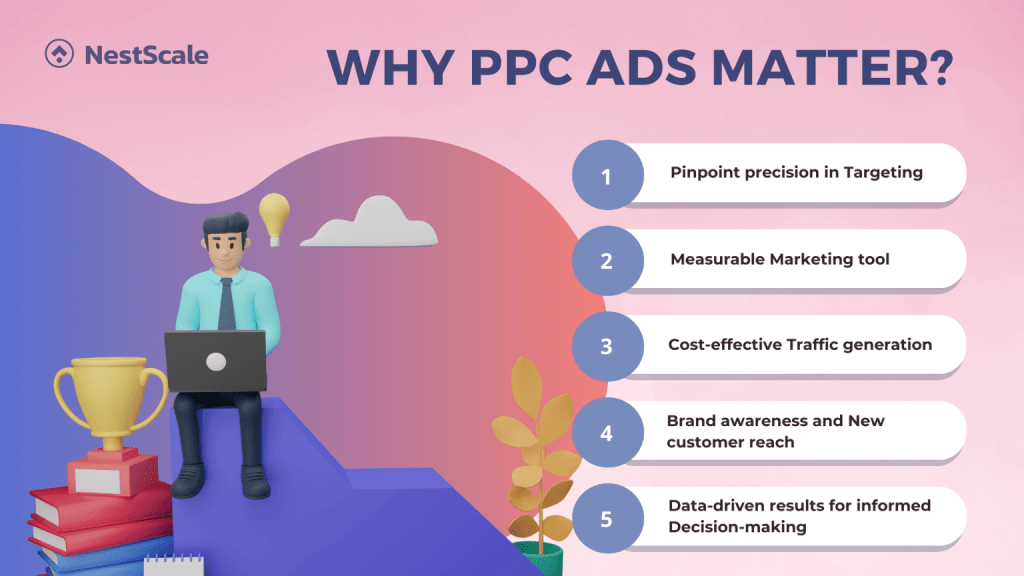
One of the biggest takeaways was that good PPC can completely transform a brand’s performance. When done right, it helps advertisers reach the right audience at the right time with the right message. It’s not just about getting clicks; it’s about getting meaningful results that lead to conversions. A strong PPC campaign can raise brand awareness, drive traffic to a website, and even help small businesses compete with larger brands. But it all depends on how well you understand your data, how strong your ad copy is, and how effectively you can test and optimize campaigns over time.
We also talked about how unpredictable the platforms can be. Algorithms and ad policies are always changing, so paid media marketers have to be flexible and willing to adapt. There are times when campaigns just don’t work, whether it’s because the keywords aren’t relevant enough, the client’s budget is too small for consistent visibility, or the landing page doesn’t convert well. Those are all challenges that can make the job stressful. But when you finally figure out what works and your clients start seeing results, it’s incredibly rewarding.
A few key PPC principles really stood out to me:
- Relevance is everything. The success of an ad depends on how relevant your keywords and copy are to what users are actually searching for. If your keywords don’t align with user intent, you’re paying for clicks that won’t convert.
- Testing never stops. Paid media isn’t something you “set and forget.” You have to constantly test ad variations, landing pages, and targeting strategies to see what performs best.
- Data tells the story. From conversion rates to click-through rates, analyzing performance metrics helps marketers make smarter decisions instead of guessing what’s working.
- Good copywriting makes the difference. Even with great targeting, if your ad copy doesn’t grab attention or speak to your audience’s needs, it won’t perform.
Our guest also shared nine essential skills every paid media marketer needs, and I found those especially useful. Copywriting and consumer psychology stood out to me because they show that advertising isn’t just about numbers, it’s about understanding people. Data analysis and conversion tracking are also crucial because you can’t optimize what you can’t measure. Curiosity and a willingness to test tie everything together, because if you’re not experimenting, you’re not growing.
Ultimately, PPC is important because it gives advertisers control. You can choose who sees your ads, when they see them, and how much you’re willing to spend to reach them. Unlike traditional advertising, PPC provides real-time feedback where you can immediately see what’s working and make adjustments to improve results. That’s what makes it such a powerful tool for building successful campaigns.
This lecture helped me realize that paid media combines creativity and analytics. It’s not just about writing catchy ads or crunching numbers, it’s about balancing both to create campaigns that truly connect with people. I came away with a deeper appreciation for how strategic PPC can be and how much impact a skilled paid media marketer can have on a brand’s success.


Leave a Reply