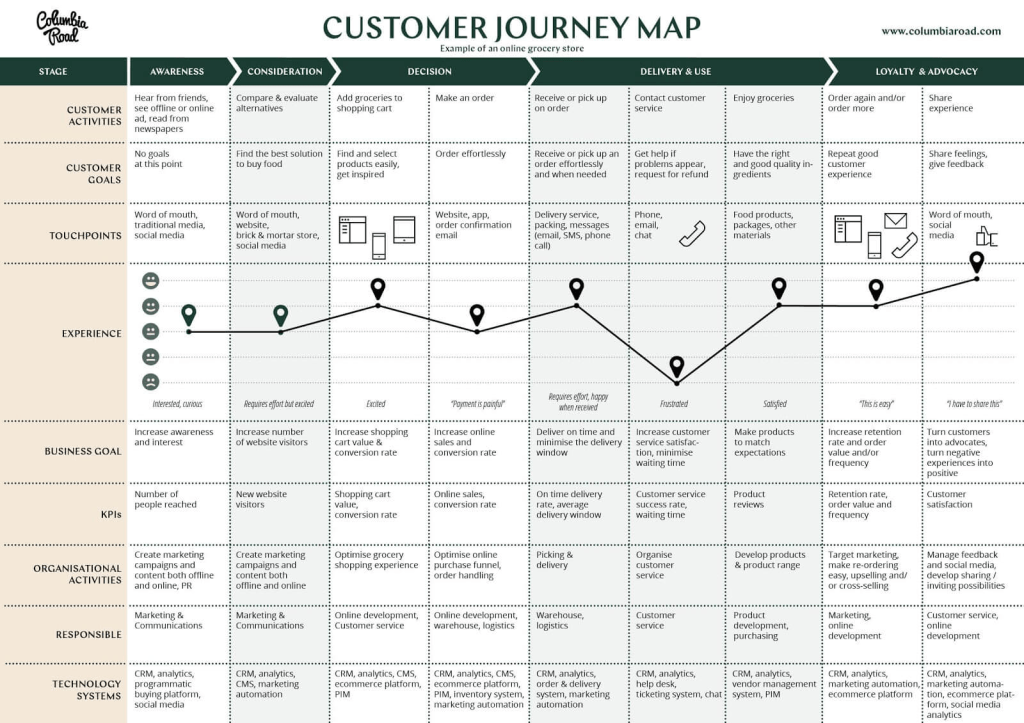
The way people make buying decisions has completely transformed in the digital era. The traditional sales funnel, with stages like awareness, consideration, and purchase, used to be a pretty straightforward path. Brands controlled the message through TV, print, or radio, and customers made choices based on limited information. But today’s customer journey looks more like a tangled web than a funnel. Between social media, influencer marketing, online reviews, and endless content, customers jump in and out of stages at their own pace, often making decisions before a brand even realizes they’re considering a purchase.
In the past, marketing was linear. A customer saw an ad, maybe got interested, and eventually made a purchase. Now, the journey is fragmented across multiple digital touchpoints. A customer might first discover a brand on TikTok, look it up on Google, read reviews, compare prices on Amazon, and then finally purchase through Instagram Shopping. The path isn’t predictable anymore. It’s multidirectional, always-on, and constantly influenced by peers and digital experiences. This change means marketers can’t rely on pushing people down a single funnel. Instead, they need to meet audiences where they already are, whether they are scrolling through feeds, watching YouTube videos, or checking email promotions. The modern journey is about connection and trust, not just awareness and conversion.
One of the biggest shifts in this new model is the Zero Moment of Truth (ZMOT), which is the point when a consumer researches a product before making a decision. Google first introduced this concept to describe how shoppers utilize search engines, social media, and reviews to inform their purchasing decisions. According to Google, over 70% of consumers research online before making a purchase. If someone wants a new skincare product, they’re probably not walking straight into Ulta to browse. Instead, they’re watching TikTok reviews, searching “best products for acne-prone skin,” or looking up before-and-after results on Pinterest. By the time they reach the shelf or online cart, their mind is already made up. The purchase doesn’t start at the store anymore. It starts with curiosity and online influence.
Because this new journey is so digital, success metrics have evolved too. Instead of only tracking conversions or sales, marketers now look at engagement, click-through rates, sentiment analysis, and repeat interactions. Awareness can be measured through impressions or reach, while the consideration stage might rely on website traffic and time spent on site. Loyalty and advocacy can be tracked through reviews, shares, and repeat purchases. These metrics help brands understand not just who buys, but why and when.
To succeed in this new landscape, brands need to focus on creating consistent and personalized experiences across every digital channel. This could mean optimizing SEO (search engine optimization) so they appear during the ZMOT, partnering with influencers who create authentic content, or investing in social listening to track customer sentiment in real time. The brands that win are the ones that show up at the right moments with value, authenticity, and transparency. The customer journey is no longer something marketers can control from start to finish. It’s something they have to navigate with their audience.


Leave a Reply